Showing posts with label Georgia injury lawyer. Show all posts

Wednesday, February 15, 2012

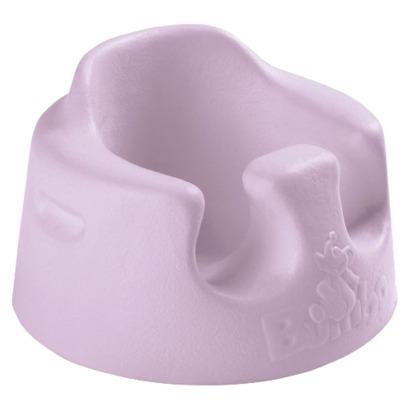
The Trouble With Bumbo: Babies Getting Hurt Too Often

If you’ve been around infant children anytime in the last few years, I am sure that you have at least seen the Bumbo “Baby Sitter” Seat, even if you didn’t know what it was called. The Bumbo seat was designed by Bumbo International to help infants sit upright once they can support their head. Approximately 3.85 million have been sold since hitting the market in August 2003.

The Bumbo seat was voluntarily recalled in October 2007 due to children falling out of it and incurring serious head injuries. At that time, a warning label was added to the seat which warned against using the seat on elevated surfaces such as tabletops and countertops and sofas. The Bumbo seat was designed and marketed for floor level use only, however, parents have consistently used the product on elevated surfaces such as tables, countertops, and chairs. Many parents even use it as a countertop highchair due to its small convenient size.

But the warning label has not been enough to prevent injury. After the warning label was added and parents used the seat only on the floor, reports of injuries continued to come in.

After the 2007 recall, CPSC has reported 45 accidents in which infants have fallen out of the seat while being used on elevated surfaces. 17 of those incidents resulted in skull fractures of infants ranging from 3 to 10 months old. Prior to the recall, the manufacturer is now aware of 46 falls from seats used on elevated surfaces. 14 of these resulted in skull fractures, two concussions, and a broken limb.

The main problem with this seat seems to be the fact that it was not designed to be completely restrictive and it is possible for a child to wiggle out of the Bumbo seat and fall. So even using it on the floor can still result in serious accidents or injury to babies. What happens is that a baby with arch their back which enables them to get their legs free and roll out of the seat. The other scenario is when the baby leans over to the side to reach for an object and the seat flips over with them. Many babies are landing on their heads when either of these scenarios occurs.

In January of 2012, there were 5 additional reports of injuries to babies using the Bumbo seat on the CPSC website for reporting injuries (www.saferproducts.gov).

If you do want to continue using your Bumbo seat, please keep the following in mind:
  • NEVER use on an elevated surface.
  • NEVER use as a car seat or bath seat.
  • NEVER leave your child unattended.
  • DO NOT USE on hard flooring such as hard wood, concrete or tile.
  • CLEAR the surrounding area of toys so that the baby won’t reach over the side and the toys won’t harm the baby if they fall on the toy.
  • Visit the manufacture’s website at www.bumbosafety.com for helpful info. 
  • Contact the U.S. Consumer Product Safety Commission (CPSC) to report incident or injuries from this product at www.saferproducts.gov.
The Studstill Firm, LLP is dedicated to helping prevent accidents and injuries to children. If you or a loved one has been injured by a product, please let us know about it so we can help spread the word and prevent injuries to others.

Friday, December 9, 2011

Generic Lipitor Hits the Market - Is it the Same Medicine?


Pfizer’s cholesterol-lowering Lipitor now faces competition from generic versions of the drug for the first time since it’s U.S. patent expired Wednesday. The pharmaceutical company’s blockbuster hit the market in 1997 and generated sales of $10.7 billion last year alone. Rivalry comes from India’s largest drug manufacturer, Ranbaxy Laboratories Ltd. The new generic drug will be labeled “atorvastatin calcium,” which is the chemical name of Lipitor.


Is there a clinical difference between Lipitor and its generics? Director of Consumer Reports Health Ratings Center John Santa says that there will not be a meaningful difference. In order to gain FDA approval, generics must contain the same active ingredients and be as safe and effective.


However, a good number of patients have experienced difficulties when a generic equivalent was introduced. According to the FDA, drug approval is based on three factors:

  1. Pharmaceutical Equivalency – Does the generic contain the same chemically active ingredients and are they identical is dosage form and strength?These criteria may be affected by many things such as: 
    • Variations in inactive ingredients
    • Manufacturing facilities in different parts of the world
    • In oral drugs, capsule content is allowed to vary 7% over or 7% under the stated content, resulting in a possible 14% variation.
    • Age of the patient
  2. Bioavailibility – Based on the amount of drug absorbed and the speed of absorption. Some generics may be absorbed faster or slower than the brand name drug.
  3. Bioequivalence – Are the generic and the brand-name drug functionally equivalent? In order to approve any generic drug, the FDA requires that the generic be effective within a 20% range of the original patented drug. This means that it could be 20% more effective OR 20% less effective than its brand-name counterpart. For prescriptions such as anti-depressants or hormone-based medications, which require precise dosages, this could be the difference as to whether the generic is effective or ineffective for you.
Another risk associated with generic drugs is that a patient could receive a different generic each time they fill their prescription. Also, the difference in inactive ingredients found in generics may react differently with medications you are already taking.

So what should you do if you have the choice between a brand-name and a generic?
  • Talk to your doctor. Ask if the generic counterpart is known to be as effective and if there are side effects. Be sure your doctor know all of your current medications and dosages. 
  • Listen to your own body. Have you noticed any changes after switching to a generic? How do you feel? Are you experiencing any adverse reactions? These can all be red flags as to whether that generic is the best choice for you.
By far, generic drugs are not bad things, and often they save us a lot of money, but they are not always as good as the “original.”

Wednesday, November 30, 2011

Georgia Hospitals Ranked

Ever wondered how your community ranks for its health care in terms of patient satisfaction? Within the state of Georgia, the Rome area (Northwest Georgia) ranks the highest in the state. Rome area hospitals ranked 12th nationally among 295 regional hospital markets across the United States for patient satisfaction. Not bad for Romans!


The study was published by Kaiser Health News and several other communities in Georgia made into the top 295 rankings for the United States:
91. Columbus
145. Augusta
167. Atlanta
176. Macon
188. Savannah
243. Albany

But does this study really mean anything? Well, according to Kasier Health News, Medicare will begin taking patient satisfaction scores into account when determining what a hospital’s reimbursement amounts will be. The hospitals with the best patient scores will be paid (or reimbursed) more on Medicare bills.

According to the Georgia Hospital Association, this isn’t new to Atlanta area hospitals. They have been using patient-satisfaction scores to compete with each other for years. But connecting the scores to federal payments will be a whole new ball game.
 
All in all, this new system should provide incentives for hospitals to do more to improve patient services. This may result in improvements to quality of employees, amenities, communication between doctors and nurses and their patients, pain management, cleanliness of the facilities, quietness and night, and discharge instructions and planning.

Congratulations to the Rome area physicians and hospitals on a job well done!

Monday, November 21, 2011

How "Hip" Are You?

Do you or a loved one have a Wright CONSERVE or a Wright PROFEMUR Total Hip System or know someone with a Wright PROFEMUR Z? Have you experienced any adverse reactions or symptoms since receiving your implant? Then you need some information that may help you save pain, time and money in the near future.

The Wright Conserve Total Acetabular System is a 3 component, metal-on-metal, device consisting of a femoral stem, a femoral head, and the acetabular cup. Implantation of this system began in 2004 and is very similar in design to the recalled DePuy ASR metal-on-metal hip implant device.

Due to the shallow nature of the Wright CONSERVE cup, constant heat and friction between the metal components may result in excess metal debris being released into the surrounding soft tissue and bloodstream. This metal toxicity is more specifically caused by increased levels of cobalt and chromium ions, which may lead to a multitude of health problems or permanent injury.

The three main problems associated with Wright implants are:

1. loosening of the device
2. the development of metalosis, and
3. the inhibition of bone grafting.

Common symptoms and difficulties associated with component loosening include:

1. difficulty standing or walking
2. difficulty rising from seated positions
3. unexplained hip, thigh, and groin pain
4. popping or crunching noises
5. tissue inflammation or infection, and
6. bone fractures.

Patients are also experiencing Aseptic Lymphocytic Vasculitis Associated Lesions (“ALVAL”) from elevated levels of chromium and cobalt in the bloodstream. Some of the symptoms of this metalosis include swelling in and around the implant site, dislocation, nerve palsy, cysts, necrosis, cardiac problems, intense pain at site of hip replacement, groin or thigh, and a noticeable mass or rash. Long-term injuries from metalosis can occur as well. Lastly, excess metal ions in the bloodstream may result in stunted bone growth.

What should you do if you or someone you know has received a defective joint replacement system? The first thing that you should do is to continue your treatment regimen and consult your doctor about your concerns immediately.

It is very important that you AVOID signing a release form of any kind from your physician, surgeon or Wright. This form would enable Wright to have complete access to all your medical records and give them possession of the defective implant upon removal. Also, it may be helpful to keep a journal detailing your symptoms. This may be helpful to both your physician as well as your legal representative if you believe you may have a claim against Wright. And remember not to release any of your confidential medical information to anyone representing Wright without first contacting an experienced team of hip replacement attorneys.

For more information or to discuss whether you have a potential case, please feel free to call the injury lawyers at the Studstill Firm, LLP at (478) 745-9002.

Even though the Wright Profemur Hip System has not yet been recalled, you may still be entitled to significant compensation if you have been experiencing hip replacement problems. The injury attorneys at the Studstill Firm, LLP have years of experience in defective product cases, including medical devices that claim to be safe. We will fight for your rights against the designer, manufacturer, and seller of defective hip implants such as the Wright Profemur Hip System.

Call our office today at (478) 745-9002 to discuss your situation. Your initial consultation is free of charge – and confidential – and you pay nothing unless we win your case.

Monday, November 14, 2011

Are Bad Boy Buggies Living Up To Their "Bad" Name?

The manufacturer of Bad Boy Buggies, an off-road utility vehicle, has recently recalled 3,200 Bad Boy Buggies due to a defective steering arm assembly. Essentially, the recall was issued because the vehicles contain a defective steering arm assembly which could break during normal operation and leave the vehicle uncontrollable and result in crashes with injuries.

According to the manufacturer, there have been 15 reported incidents of the steering arm breaking in these vehicles causing the driver to lose control. The following Bad Boy Buggy Models (pictured below) are involved in the recall: (1) Bad Boy LT; (2) Classic; (3) XT; (4) XTO, and (5) XT Safari. 
These models were manufactured at BB Buggies in Augusta, Georgia and Bad Boy Enterprises, LLC in Natchez, Mississippi and were sold nationwide.

This recall follows on the heels of an earlier recall of 9,300 Bad Boy Classic Buggies which contained defective accelerator petals that caused sudden and unintended acceleration. That recall involved Bad Boy Classic Buggies which were manufactured by Bad Boy Enterprises, LLC between 2003 and May 2010.

Owners of these vehicles should stop using them immediately and contact Bad Boy Buggies at (855) -738 3711 or visit its website at http://www.badboybuggies.com/.

Wednesday, October 26, 2011

Drug Maker Issues Correction After False Advertising

Following a meeting and warning of the FDA advisory panel, the makers of certain bisphosphonates have begun an ad campaign to correct their FALSE ADVERTISING. Genentech/Roche Group has started running an ad (which you may have seen in the Parade magazine included in your local newspaper) that begins with the following:

"AN IMPORTANT CORRECTION FROM BONIVA FOR WOMEN WITH POSTMENOPAUSAL OSTEOPOROSIS
You may have seen an ad about BONIVA for the treatment and prevention of postmenopausal osteoporosis that may have given you the wrong impression. Our ads stated that ‘After one year on BONIVA, 9 out of 10 women stopped and reversed their bone loss. The FDA has found that there is not enough evidence to support this statement and wants us to clear up any misunderstanding you may have had about these ads and make sure you have the correct information about BONIVA.”
And here's the part where they finally tell the truth that they had been hiding: "BONIVA has not been proven to stop and reverse bone loss in 9 out of 10 women and is not a cure for postmenopausal osteoporosis.

It is unfortunate that pharmaceutical companies are able to propogate these sorts of half-truths and lies to the public to try to sell more of their product than their competitors. It is even more unfortunate that the product they are pushing has actually been causing harm to many women. There have been numerous reports of thigh bone fractures and necrosis (decaying) of major joints like hips and jaw bones. For more information on the problems and injuries caused by BONIVA and other bisphosphonates, please see our earlier post entitled Building Bones or Breaking Bones?.

If you would like for us to email you a copy of the ad, along with a copy of the updated medication guide, please feel free to contact us directly.

The lawyers at the Studstill Firm are interested in speaking with individuals who may have taken medications that have caused them to have injuries. While the idea of being involved in a lawsuit may not be appealing to many individuals, a consultation with us about your options is free and confidential. Please feel free to contact one of our products liability injury lawyers in Georgia by calling (478) 745-9002 (in Macon, Georgia) or (229) 686-3500 (in Nashville or Tifton, Georgia) or (229) 244-2908 (in Valdosta, Georgia) to set up an appointment or to discuss your potential case with someone over the phone.

Monday, October 10, 2011

Injury Prevention Goes High Tech

I just read about a cool new app for iPhone and Android phone users that take disaster and emergency preparedness to a new high-tech level. The Georgia Department of Public Health and the Georgia Emergency Management Agency (GEMA) launched the Ready Georgia app recently. It’s a free interactive app that provides real-time information emergency information on hazards, weather alerts and disease outbreaks in Georgia. During an emergency, the app will deliver alerts and information on what to do during different types of disasters.

During non-emergency times, the Ready Georgia app helps Georgians plan for a range of emergencies. The app can be used to create personal checklists of emergency supplies, make disaster plans for their families, and check flood-risk levels and historic tornado data for their area. The key is to take action to be prepared for different types of disasters long before they happen.

The Ready Georgia app also has “geo-location” technology to determine the app user’s location, and then show the flow of traffic on evacuation maps and the location of nearby shelters. It also provides the locations of FEMA’s disaster recovery centers.

The key to surviving a major disaster in Georgia may very well be the steps you take to be prepared well in advance. This app seems to be a great tool to help you get prepared and then stay informed when the unthinkable happens.

To download the app or for more information, check out the Ready Georgia website.

Wednesday, September 21, 2011

Birth Contol Pill Recalled by Manufacturer

A major pharmaceutical company, Qualitest Pharmaceuticals, has just issued a recall of multiple lots of oral contraceptives. The recall is the result of a major packaging error. The tablets within the birth control package are out of order so that women will not be effectively protected against contraception. Specifically, the “sugar pills” included in the packet during the week that a woman is to have her cycle may be dispensed during the week that a woman may ovulate and become pregnant. This results in a high risk of becoming pregnant and may be the equivalent of not using birth control at all.

The following products are subject to the recall:
• Cyclafem™ 7/7/7
• Cyclafem™ 1/35
• Emoquette™
• Gildess® FE 1.5/30
• Gildess® FE 1/20
• Orsythia™
• Previfem ®
• Tri-Previfem®
Anyone taking these birth control products should begin using another form of contraception immediately and contact their health care provider or pharmacist. Pharmacies have been directed to contact consumers who may have received affected product but this may take some time to do.
The affected lot numbers can be found at the Qualitest Pharmaceuticals web site.

Monday, September 12, 2011

Medical Information on Georgia Drivers Licenses


Georgia drivers with certain medical conditions can now choose to have their conditions listed on the back of their Georgia driver's license or state identification card. The Georgia Department of Driver Services now has 16 conditions which may be included on the license, including pacemaker, autism, hearing loss, seizures, brain injury, and diabetes. Other conditions could be added in the future according to Susan Sports, a spokeswoman with the state agency.


Having the information on a driver's license could aid emergency responders in knowing how to best treat people who may be unconscious, advocates say. The information could help law officers determine whether a medical condition, such as a brain injury, may be affecting treatment or behavior.


The information may also be especially helpful for people with hearing loss who are unable to hear instructions or communicate well with law enforcement.


The decision to give motorists the option of having the information was prompted by a state Senate bill signed into law last year that allows people with post-traumatic stress disorder to put a notation on their licenses. "It could make the difference in saving a life," said state Sen. Ronald Ramsey, D-Decatur.


Participation in the new program is voluntary. Forms are available online that need to be filled out by the applicant and submitted at the time of obtaining a license or ID card. For some (non-obvious) conditions, verification from a doctor will also be required.