Showing posts with label Georgia products lawyer. Show all posts

Wednesday, February 15, 2012

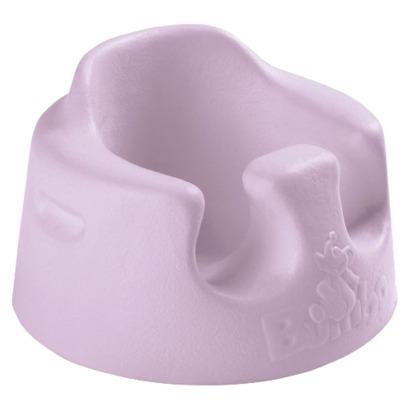
The Trouble With Bumbo: Babies Getting Hurt Too Often

If you’ve been around infant children anytime in the last few years, I am sure that you have at least seen the Bumbo “Baby Sitter” Seat, even if you didn’t know what it was called. The Bumbo seat was designed by Bumbo International to help infants sit upright once they can support their head. Approximately 3.85 million have been sold since hitting the market in August 2003.

The Bumbo seat was voluntarily recalled in October 2007 due to children falling out of it and incurring serious head injuries. At that time, a warning label was added to the seat which warned against using the seat on elevated surfaces such as tabletops and countertops and sofas. The Bumbo seat was designed and marketed for floor level use only, however, parents have consistently used the product on elevated surfaces such as tables, countertops, and chairs. Many parents even use it as a countertop highchair due to its small convenient size.

But the warning label has not been enough to prevent injury. After the warning label was added and parents used the seat only on the floor, reports of injuries continued to come in.

After the 2007 recall, CPSC has reported 45 accidents in which infants have fallen out of the seat while being used on elevated surfaces. 17 of those incidents resulted in skull fractures of infants ranging from 3 to 10 months old. Prior to the recall, the manufacturer is now aware of 46 falls from seats used on elevated surfaces. 14 of these resulted in skull fractures, two concussions, and a broken limb.

The main problem with this seat seems to be the fact that it was not designed to be completely restrictive and it is possible for a child to wiggle out of the Bumbo seat and fall. So even using it on the floor can still result in serious accidents or injury to babies. What happens is that a baby with arch their back which enables them to get their legs free and roll out of the seat. The other scenario is when the baby leans over to the side to reach for an object and the seat flips over with them. Many babies are landing on their heads when either of these scenarios occurs.

In January of 2012, there were 5 additional reports of injuries to babies using the Bumbo seat on the CPSC website for reporting injuries (www.saferproducts.gov).

If you do want to continue using your Bumbo seat, please keep the following in mind:
  • NEVER use on an elevated surface.
  • NEVER use as a car seat or bath seat.
  • NEVER leave your child unattended.
  • DO NOT USE on hard flooring such as hard wood, concrete or tile.
  • CLEAR the surrounding area of toys so that the baby won’t reach over the side and the toys won’t harm the baby if they fall on the toy.
  • Visit the manufacture’s website at www.bumbosafety.com for helpful info. 
  • Contact the U.S. Consumer Product Safety Commission (CPSC) to report incident or injuries from this product at www.saferproducts.gov.
The Studstill Firm, LLP is dedicated to helping prevent accidents and injuries to children. If you or a loved one has been injured by a product, please let us know about it so we can help spread the word and prevent injuries to others.

Friday, December 9, 2011

Generic Lipitor Hits the Market - Is it the Same Medicine?


Pfizer’s cholesterol-lowering Lipitor now faces competition from generic versions of the drug for the first time since it’s U.S. patent expired Wednesday. The pharmaceutical company’s blockbuster hit the market in 1997 and generated sales of $10.7 billion last year alone. Rivalry comes from India’s largest drug manufacturer, Ranbaxy Laboratories Ltd. The new generic drug will be labeled “atorvastatin calcium,” which is the chemical name of Lipitor.


Is there a clinical difference between Lipitor and its generics? Director of Consumer Reports Health Ratings Center John Santa says that there will not be a meaningful difference. In order to gain FDA approval, generics must contain the same active ingredients and be as safe and effective.


However, a good number of patients have experienced difficulties when a generic equivalent was introduced. According to the FDA, drug approval is based on three factors:

  1. Pharmaceutical Equivalency – Does the generic contain the same chemically active ingredients and are they identical is dosage form and strength?These criteria may be affected by many things such as: 
    • Variations in inactive ingredients
    • Manufacturing facilities in different parts of the world
    • In oral drugs, capsule content is allowed to vary 7% over or 7% under the stated content, resulting in a possible 14% variation.
    • Age of the patient
  2. Bioavailibility – Based on the amount of drug absorbed and the speed of absorption. Some generics may be absorbed faster or slower than the brand name drug.
  3. Bioequivalence – Are the generic and the brand-name drug functionally equivalent? In order to approve any generic drug, the FDA requires that the generic be effective within a 20% range of the original patented drug. This means that it could be 20% more effective OR 20% less effective than its brand-name counterpart. For prescriptions such as anti-depressants or hormone-based medications, which require precise dosages, this could be the difference as to whether the generic is effective or ineffective for you.
Another risk associated with generic drugs is that a patient could receive a different generic each time they fill their prescription. Also, the difference in inactive ingredients found in generics may react differently with medications you are already taking.

So what should you do if you have the choice between a brand-name and a generic?
  • Talk to your doctor. Ask if the generic counterpart is known to be as effective and if there are side effects. Be sure your doctor know all of your current medications and dosages. 
  • Listen to your own body. Have you noticed any changes after switching to a generic? How do you feel? Are you experiencing any adverse reactions? These can all be red flags as to whether that generic is the best choice for you.
By far, generic drugs are not bad things, and often they save us a lot of money, but they are not always as good as the “original.”

Thursday, November 10, 2011

Diabetes Drug Linked to Bladder Cancer

Actos is a drug that is manufactured by Takeda, a Japanese pharmaceutical company, and prescribed to treat type-2 diabetes. In September 2010, the FDA announced that Actos may be linked to urinary bladder cancer. This announcement was made by the FDA after a ten year epidemiological study revealed an increase in bladder cancer in patients taking Actos. After this study was published, Actos was removed from the market in Germany and France, but not in the U.S.

The FDA has since required Actos’ warning label to be revised to include the risk of urinary bladder cancer as a possible side effect.

Actos is currently marketed as a stand-alone drug or in combination form as Actoplus Met, Acoplus Met XR, and Duetact. Actos was designed to increase the cell’s sensitivity to insulin. It was widely prescribed in the United States as the “preferred medicine” for treating type-2 diabetes.

Unbelievably, there is strong evidence that suggests that Takeda, the Japanese manufacturer of Actos, knew of the increased risks of bladder cancer posed by Actos as early as the pre-clinical carcinogenicity studies, which showed an increase in drug-induced tumors in the bladders of rats. Despite these studies, which showed an increased risk of tumors, Takeda marketed and sold Actos without any warning whatsoever of an increased risk of bladder cancer.

In fact, it was only after the FDA required the revision to Actos’ warning label that doctors and patients were made aware of the risk of bladder cancer. Unfortunately, millions of Americans took Actos and were exposed to an increased risk of bladder cancer.

If you or a family member took Actos and have been diagnosed with bladder cancer, our Georgia injury lawyers would like to talk with you about your potential claims against Takeda.

Wednesday, October 26, 2011

Drug Maker Issues Correction After False Advertising

Following a meeting and warning of the FDA advisory panel, the makers of certain bisphosphonates have begun an ad campaign to correct their FALSE ADVERTISING. Genentech/Roche Group has started running an ad (which you may have seen in the Parade magazine included in your local newspaper) that begins with the following:

"AN IMPORTANT CORRECTION FROM BONIVA FOR WOMEN WITH POSTMENOPAUSAL OSTEOPOROSIS
You may have seen an ad about BONIVA for the treatment and prevention of postmenopausal osteoporosis that may have given you the wrong impression. Our ads stated that ‘After one year on BONIVA, 9 out of 10 women stopped and reversed their bone loss. The FDA has found that there is not enough evidence to support this statement and wants us to clear up any misunderstanding you may have had about these ads and make sure you have the correct information about BONIVA.”
And here's the part where they finally tell the truth that they had been hiding: "BONIVA has not been proven to stop and reverse bone loss in 9 out of 10 women and is not a cure for postmenopausal osteoporosis.

It is unfortunate that pharmaceutical companies are able to propogate these sorts of half-truths and lies to the public to try to sell more of their product than their competitors. It is even more unfortunate that the product they are pushing has actually been causing harm to many women. There have been numerous reports of thigh bone fractures and necrosis (decaying) of major joints like hips and jaw bones. For more information on the problems and injuries caused by BONIVA and other bisphosphonates, please see our earlier post entitled Building Bones or Breaking Bones?.

If you would like for us to email you a copy of the ad, along with a copy of the updated medication guide, please feel free to contact us directly.

The lawyers at the Studstill Firm are interested in speaking with individuals who may have taken medications that have caused them to have injuries. While the idea of being involved in a lawsuit may not be appealing to many individuals, a consultation with us about your options is free and confidential. Please feel free to contact one of our products liability injury lawyers in Georgia by calling (478) 745-9002 (in Macon, Georgia) or (229) 686-3500 (in Nashville or Tifton, Georgia) or (229) 244-2908 (in Valdosta, Georgia) to set up an appointment or to discuss your potential case with someone over the phone.

Wednesday, September 21, 2011

Birth Contol Pill Recalled by Manufacturer

A major pharmaceutical company, Qualitest Pharmaceuticals, has just issued a recall of multiple lots of oral contraceptives. The recall is the result of a major packaging error. The tablets within the birth control package are out of order so that women will not be effectively protected against contraception. Specifically, the “sugar pills” included in the packet during the week that a woman is to have her cycle may be dispensed during the week that a woman may ovulate and become pregnant. This results in a high risk of becoming pregnant and may be the equivalent of not using birth control at all.

The following products are subject to the recall:
• Cyclafem™ 7/7/7
• Cyclafem™ 1/35
• Emoquette™
• Gildess® FE 1.5/30
• Gildess® FE 1/20
• Orsythia™
• Previfem ®
• Tri-Previfem®
Anyone taking these birth control products should begin using another form of contraception immediately and contact their health care provider or pharmacist. Pharmacies have been directed to contact consumers who may have received affected product but this may take some time to do.
The affected lot numbers can be found at the Qualitest Pharmaceuticals web site.

Sunday, June 12, 2011

Cholesterol-Lowering Drug Warning

The Food and Drug Administration warned Wednesday that a popular cholesterol-lowering drug should no longer be prescribed at its highest dosage to new patients because of concerns that it can cause muscle damage.


The drug is simvastatin and the unsafe dosage level is 80 milligrams. This dosage level can increase the risk for myopathy, which is a form of muscle damage.


Simvastatin is sold under the brand name Zocor, in addition to being sold as a generic product. It is also sold in combination with other drugs under the brand names Vytorin and Simcor.


The FDA recommendation is that doctors only continue prescribing the 80 mg dose to patients who have been taking it for at least a year without experiencing problems.


Additionally, simvastatin should not be taken with some other drugs, including some antibiotics, HIV drugs and anti-fungal medications, according to the FDA and Merck, which makes the drug.


In 2010, about 2.1 million patients in the United States were prescribed a product containing simvastatin at that dose, the agency said. About 12 percent of simvastatin users take that dose, according to Merck.

Monday, May 30, 2011

Teething Baby? Think Twice About Oral Medications

The FDA recently issued a warning concerning the use of Benzocaine, a local anesthetic used to relieve pain in the mouth and gums. The product is commonly used for pain associated with teething, canker sores, and irritation of the mouth and gums.


The FDA became concerned about products containing benzocaine because they may cause a rare but serious and possibly fatal condition where oxygen in the blood stream is greatly reduced. This condition is called methemoglobinemia. In the most serious cases, this condition can result in death.


Benzocaine products do not currently carry any warnings regarding methemoglobinemia, therefore, the FDA is concerned that consumers might not be aware of the danger or know what to look for when using these products. Signs and symptoms of methemoglobinemia include pale, gray or blue colored skin, lips and nail beds, shortness of breath, fatigue, confusion, headache, lightheadedness, and rapid heart rate.


The FDA is particularly concerned about the use of benzocaine products in children under two years of age. There have been 21 reported cases of methemoglobinemia after using benzocaine gels and liquids. Eleven of the 21 cases occurred in children under age two.


If while using benzocaine products any of the symptoms of methemoglobinemia appear, persons should stop using the product immediately and call 911. If left untreated, serious cases may lead to permanent injury to the brain and body tissues, and even death. Parents are cautioned not to use this product on children less than two years of age unless it is given under the advice and supervision of a healthcare professional. These products should always be kept out of reach of children.


The American Academy of Pediatrics recommends that for teething problems in children, safer alternatives such as chilled teething rings or gentle massage to the gums using a cloth or your finger are preferred over benzocaine products. For a list of products containing benzocaine, visit the FDA’s website.

Thursday, September 30, 2010

Car Seat Safety – Protecting Our Children

In Georgia, automobile accidents are the leading cause of death and injuries for children ages 1 to 12 years. The lack or improper use of car seats is a significant contributor to this sobering statistic. According to the National Highway Traffic Safety Administration (NHTSA), more than 40% of children under 6 who die or suffer debilitating injuries in automobile accidents are unrestrained or improperly restrained; however, when car seats are used correctly they are 71% effective in preventing injury among infants and 54% effective with children ages 1-4.

Unfortunately, there is a lot of confusion concerning the proper restraining methods and what is required by Georgia law.

According to Georgia law (O.C.G.A. § 40-8-76.1):

•ALL children under the age of six, regardless of how tall they are, must ride in the backseat of a car. A child is safer in the back and farthest away from the force of an airbag. Remember that airbags are designed to save adults, and since they deploy with great force they can be fatal to children.

•Children under the age of six are required to be in either a car seat or a booster seat suitable for their age and height.

•If there is not a back seat in the vehicle (e.g., a truck) or if other restrained children are in the back seat, Georgia law permits a child under the age of six to sit in front if restrained in the proper car seat or booster.

NHTSA recommends the following as a guideline for child seat safety. These guidelines are stronger than the current requirements of the State of Georgia.


Furthermore, we highly recommend that, until your child is the proper size to use a standard safety belt, your child should use a safety seat equipped with a 5 point harness. A 5 point harness is comprised of straps or webbing that extend over your child’s hips, shoulders/collar bones, and between their legs. These types of safety restraints more evenly distribute the force during impact which could save your child’s life in a crash. Please view this video to see why simple shoulder harnesses may not be sufficient to protect your child.

Also, it is very important to make sure that a child’s car seat is properly installed. The majority of parents believe that their child’s car seat is properly installed, but research by the National Highway Traffic Safety Administration shows that 8 out of 10 car seats are installed incorrectly.

As a guide, when a car seat is properly installed one should not be able to move the car seat more than one inch in any direction. The seatbelt should be threaded through the car seat and completely latched. The shoulder strap should be pulled all the way out until it clicks and then should be fed back into column. This will ensure that the car seat does not fly forward in the event of an emergency stop or accident. For more information on how to properly install a car seat, you can watch this video.

The Macon attorneys, at the Studstill Firm, we feel that the saddest injury cases we handle are cases involving children. The statistics are appalling and very sad when you think about the number of children whose lives and limbs could have been saved if they were only properly restrained. If you are unsure whether your child or the child of a friend or loved one is being properly restrained or if the car seat is properly secured, you can also stop by your local fire station or health clinic for tips.

- In Macon, GA you can go to Bibb County Health Dept. located at 171 Emery Highway
- In Warner Robins, GA you can go to Houston Healthcare located at 233 North Houston Rd. Suite 140, D
- In Valdosta, GA you can go to the fire station located at 106 South Oak Street
- In Tifton, GA you can go to the health department located at 305 12th Street East

Go to www.nhtsa.gov/cps/ for more locations across the nation.

For more information concerning car seat safety please visit http://www.nhtsa.gov/, http://www.gahighwaysafety.org/, http://www.carseat.org/, http://www.safekids.org/ and http://www.seatcheck.org/. You can also call 1-866-732-8243.


Tuesday, August 31, 2010

Recalled Hip Implants

After complaints from several hundred patients and a warning letter from the FDA, Johnson & Johnson is recalling its popular metal-on-metal hip replacement mechanism known as the ASR XL Acetabular System. This product is made by DePuy Orthopaedics which is a division of Johnson & Johnson.


This product is being recalled due to its high failure rate which results in additional hip replacement surgeries to many patients. One such type of failure is that the implant does not properly adhere to the bone and becomes unattached. Another such failure is that over time metal particles slough off and the debris causes inflammation, tissue damage and extreme pain to an individual. There is also some research that indicates that the cobalt and chromium materials used in these implants can be toxic and may lead to certain cancers, including leukemia.


Of course, this recall comes in the wake of several other recalls by Johnson & Johnson – most notably Tylenol Children's liquid. The president of DePuy Orthopaedics said, “We are committed to assisting patients and health care providers by providing information through multiple channels and paying for the costs of doctor visits, tests and procedures associated with the recall.”


If you or anyone you know has been injured by a product such as the DePuy hip implant or any other defective product contact our Valdosta Attorneys for a free consultation about your potential case.

Tuesday, July 27, 2010

Nap Nanny Product Recall

Yesterday, the Consumer Products Safety Commission announced that Baby Matters, LLC is voluntarily recalling approximately 30,000 baby recliners following the death of a 4-month-old girl from Michigan. Baby Matters, LLC is aware of 22 total incidents involving this product. The Michigan girl died when she fell over the edge of her recliner and was pinned between the recliner and her crib bumper causing her to suffocate.

The product already has warning labels, stickers and other types of warnings indicating that the Nap Nanny should never be placed inside a crib, play yard or other confined area, or on a table, countertop or other elevated surface.

Proper Use: Always use the Nap Nanny on the floor away from any other products


INCORRECT USE: Photo of re-enactment of doll falling over side of Nap Nanny® placed in crib.


Baby Matters is offering an $80 discount coupon towards the purchase of a new Nap Nanny, with free shipping for owners of a first generation Nap Nanny (purchased before August 15, 2009 and identified by the absence of Velcro straps inside the cover).

Consumers with a second generation Nap Nanny model are being encouraged to stop using the product until they are able to visit the firm's website to obtain new product instructions and warnings as well as view an instructional video to help consumers ensure the harness is properly fastened.

If you or anyone you know has been injured by a product such as this or any other defective product, contact us for a free consultation about your potential case.

Tuesday, June 29, 2010

HR 5503 - the Spill Act

Today the US House of Representatives will vote on HR 5503, the Spill Act. This bill is the first step towards holding BP fully accountable for their actions. Please call your Representative RIGHT NOW and ask them to vote for HR 5503! Capitol Switchboard: (202) 224-3121. Look-up your Rep at www.house.gov.

-Learn more about the Spill Act at http://www.justice.org/cps/rde/xchg/justice/hs.xsl/12646.htm

Thursday, June 10, 2010

Product Recall - Shrek Promotional Glasses

Just weeks after Wal-Mart and other stores recalled jewelry sold at their stores due to the presence of cadmium, McDonalds is also recalling its promotional Shrek themed glasses for the same reason. These glasses are 16 ounces and come in four different designs (Shrek, Fiona, Puss n’ Boots, and Donkey).


Please see the May 20, 2010 post for details on the dangers of ingesting cadmium. You can also visit www.cdc.gov or www.epa.gov.

The CSPC spokesperson, Scott Wolfson, has stated that the amount of cadmium found in these glasses is “slightly above the protective level currently being developed by the agency.” He also said the glasses contain “far less cadmium than the children's metal jewelry that CPSC has previously recalled."

So far, no injuries have been reported as a result of the toxic chemical found in the paint on the glasses. However, out of an abundance of precaution, McDonalds has recommended that their customers stop using the glasses and is offering $3 refunds on those glasses. (They were originally sold for $2 each.)

If you or anyone you know has been injured by a product such as this or any other defective product, contact us for a free consultation about your potential case.

Wednesday, June 9, 2010

Paxil & Birth Defects

Paxil is a popular antidepressant which has been on the market since 1992 and is manufactured by GlaxoSmithKline. It is used to treat people with depression, OCD, anxiety, PTSD, and PMDD as well as other similar conditions.

As with almost any anti-depressant, there is a long list of possible side effects associated with taking Paxil. One such potential side effect is birth defects if the drug is taken by a woman during pregnancy. Studies have shown that if Paxil is taken during the first trimester a baby is 1 ½ - 2 times more likely to be born with a heart defect (usually holes in the interior walls of the heart). Other studies have shown that if Paxil is taken any time after the first 20 weeks of pregnancy, a baby may be born with persistent pulmonary hypertension (abnormal blood flow through the heart and lungs and thus insufficient oxygen to their bodies). This condition can lead to multiple organ failure, brain damage, developmental delays, neurological deficits and ultimately death.

For more information on how Paxil can affect a baby if taken during pregnancy, please visit this website or the FDA’s website. Also, please view the GlaxoSmithKline’s September 2005 letter to healthcare professionals on this matter.

If you, your baby or anyone you know has been injured by this or any other pharmaceutical product, contact us for a free consultation about your potential case.

Friday, June 4, 2010

Baby Stroller Safety Risk

I was reading the June 2010 issue of the Consumer Reports magazine and came across something that parents with small children might like to know. Consumer Reports has rated three models of baby strollers as “Don’t Buy: Safety Risk” – those strollers are:

- Valco Baby Tri-Mode
- Tike Tech City X3 all-terrain stroller
- Tike Tech X3 Port jogging stroller

These strollers received this rating due to the hazard of an unrestrained child slipping beneath the grab bar and getting stuck resulting in potential injury or death. (This is referred to as “submarining.”) Although the Consumer Products Safety Commission does not specify the particular strollers involved, they do report that there have been at least 10 infant deaths associated with submarining between 1995 and 2008.

Safety regulations require that if the space beneath the bar is large enough for a child’s body to pass through, it must also be large enough for the child’s head to pass through. Of course, a child should always be properly strapped into his or her stroller.

If your child or the child of anyone you know has been injured by a faulty product such as these or any other defective products, contact us for a free consultation about your potential case.

Thursday, May 20, 2010

Product recall: Miley Cyrus jewelry

Just yesterday, Wal-Mart announced that it was recalling its entire line of the popular Miley Cyrus brand of jewelry following reports that the jewelry contains a high level of cadmium – a toxic metal.

Long-term exposure to this metal is dangerous because it can cause bone softening and kidney failure and because it can hinder brain development. There is no danger in wearing the jewelry; however, it can be very dangerous if the metal is ingested. For example, many children place their jewelry/pendants in their mouth and suck and chew on them. This particular jewelry line, when exposed to a chemical similar to stomach acid, very easily released the toxic metal.

Exposure to this chemical is especially hazardous to girls ages 6-11. This may be because girls in this age range tend to have iron deficiencies and their bodies substitute cadmium instead.

Wal-Mart has also recalled some of its Disney pendants.

Claire’s and Dollar N More stores have also recalled some of the charm bracelets sold at their stores.

If you or anyone you know has been injured by a product such as this or any other defective product, contact us for a free consultation about your potential case.

Wednesday, May 19, 2010

Product recall: "Auto Fire" toy target set

The below-pictured toy dart gun set has been recalled by Family Dollar Store in conjunction with the Consumer Product Safety Commission (CPSC) following the deaths of two children. The suction cups, which are smaller than the size of a penny, present an asphyxiation hazard. These defective toys can cause children to suffocate and suffer brain injuries and even death. The two children’s deaths were caused when the children placed the soft, pliable plastic toy dart in their mouths and breathed them into their airways.

The dart guns were manufactured in China and sold exclusively by Family Dollar Stores. Family Dollar Stores began selling the toy in September 2005 and stopped selling it in January 2009. The recall was just announced on May 17, 2010.